Shopify Checkout Optimisation: 8 Changes That Actually Move the Needle
Checkout is where you lose the most revenue on Shopify. These 8 changes address the specific friction points that kill completion rates for DTC brands.
Read articleFashion brands have the lowest Shopify conversion rates in DTC. Here's why — and the specific CRO fixes that work for apparel and clothing stores.
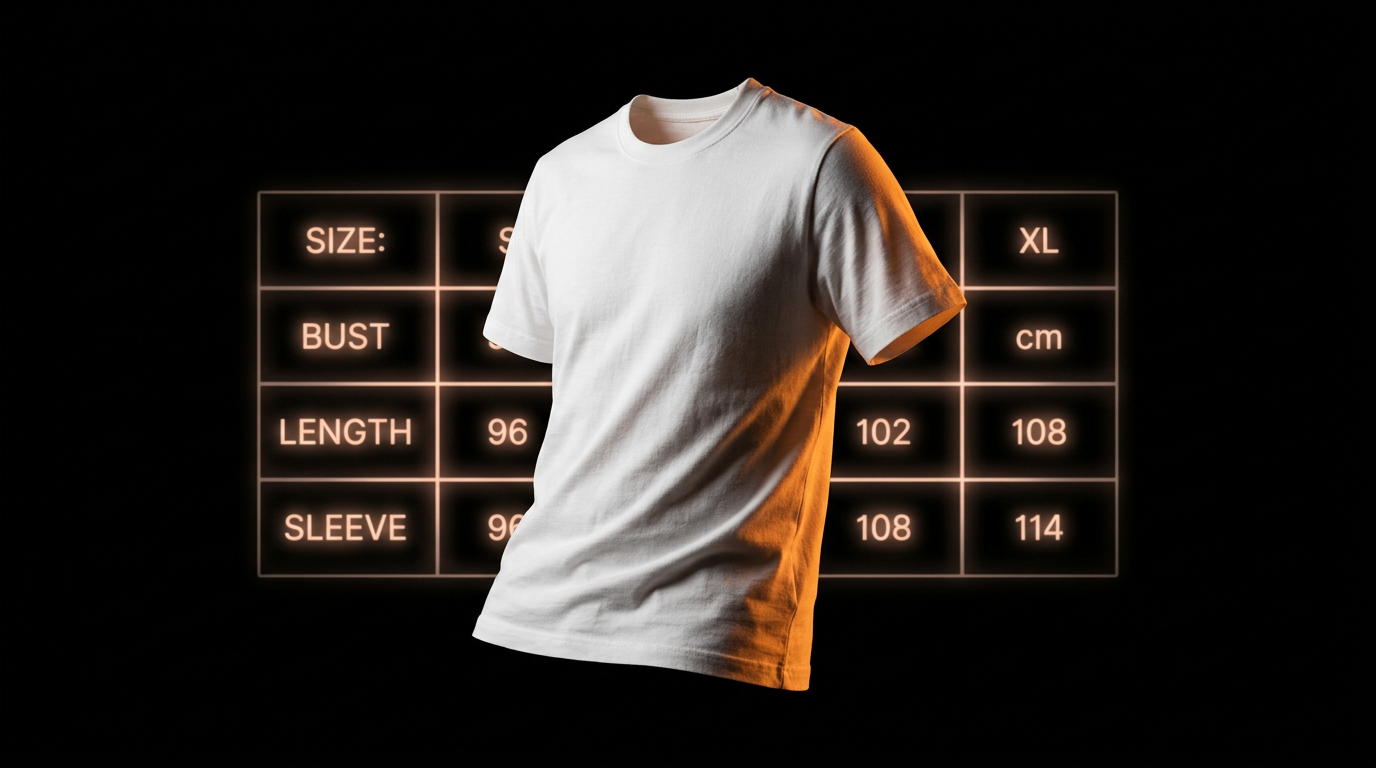
Fashion brands consistently have the lowest Shopify conversion rates of any DTC category — typically 1.5% to 2.8% versus 2.8% to 4.2% for beauty. The reasons are structural: fit uncertainty, colour accuracy concerns, returns anxiety, and the highest proportion of mobile traffic in any DTC vertical. Each of these is addressable with the right CRO approach.
Fashion buying involves a unique set of purchase blockers that other DTC categories do not face. A skincare customer is asking "will this work?" A fashion customer is asking "will this fit?", "will this colour match?", "will this look like the image?", "can I return it easily?". Four simultaneous uncertainties rather than one.
Generic CRO — faster load times, better checkout flow — helps but does not address the category-specific blockers. Fashion CRO requires additional layers: sizing confidence, fit context, and returns certainty.
The most common session recording pattern on fashion Shopify stores: a customer selects a size, then opens the size guide in a new tab or modal, returns, hesitates, and either selects a different size or abandons. The sizing decision is the biggest conversion barrier in fashion DTC.
Best practices that lift size selection confidence: (1) Show "How this fits" context below the size selector — "Our model is 5'9" wearing a size 10" with a photo. (2) Link to the size guide as an inline drawer, not a new tab or page. (3) For returns-confident brands, lead with "Free size exchange" near the size selector — not buried in the product description.
Over 70% of fashion traffic arrives on mobile. Yet most Shopify fashion stores have product galleries that require multiple horizontal swipes to see a garment from different angles — with no indication of how many images are in the gallery.
What converts better: (1) Show a thumbnail strip below the hero image so the customer can see all available angles at a glance. (2) Include at least one lifestyle image in the first three gallery slots — not just flat lay. (3) Use a video if available: 5-10 second movement clips of garments lift conversion by 20-30% for fashion items where drape and texture matter.
Returns anxiety is highest for first-time customers. A customer who has never ordered from your brand before does not know whether the returns process is easy or painful. This uncertainty suppresses first purchases — particularly for items above $70 where the perceived risk is higher.
The fix is explicit, prominent returns copy near the add-to-cart button. Not "Free returns" — that creates its own uncertainty ("free how?"). Instead: "Free returns within 28 days. Drop off at any return location or schedule a pickup. Full refund within 5 days." Specificity reduces anxiety more than a generic promise.
Colour inaccuracy is the second-most cited reason for fashion returns (after "didn't fit"). Colour names like "dusty rose" and "sage" convey nothing about actual appearance on screen. Yet most Shopify fashion stores show one product image per colour variant without any context.
Improvements that reduce colour-related abandonment and returns: (1) Include a colour swatch that loads the product image for that colour, not just changes a border highlight. (2) Add fabric context — "100% cotton jersey, medium weight" — which helps customers predict how colours photograph versus appear in person. (3) For multi-shade product lines, group colours visually and show similar shades side-by-side.
Generic five-star reviews do almost nothing for fashion conversion. What matters is reviews that include fit information: "Runs small — ordered a size 12, usually a 10. Very happy." A review with "Height: 5'6", Size: 12, Bought: Medium" in the review metadata is worth ten generic five-star reviews.
Platforms like Okendo and Stamped allow you to collect structured review data including height, weight, and size purchased. This data, displayed on product pages next to reviews, is the single most persuasive trust signal in fashion DTC.
Fashion has longer consideration cycles than most DTC categories. A customer who adds an item to a wishlist and receives a restock or price-drop notification converts at 3-4x the rate of a new visitor. Most Shopify fashion stores have no wishlist functionality — they lose these high-intent customers to abandonment.
A custom Shopify development wishlist feature, integrated with email flows, captures this intent and converts it later. For stores without development budget, apps like Swym Wishlist Plus achieve the same outcome.
Fashion CRO done correctly addresses every stage of the consideration journey: the first impression (gallery quality), the sizing decision (size guide UX), the trust checkpoint (returns, reviews with fit data), and the commitment (mobile checkout speed). A comprehensive CRO programme for fashion brands typically lifts overall conversion rate by 30-50% over 90 days.
Fashion brands typically convert at 1.5–2.8%, below the Shopify average of 1.4–1.8% only because higher AOV compensates. A well-optimised fashion Shopify store with strong mobile UX, sizing confidence, and low returns anxiety can reach 2.5–3.5%. Anything below 1.5% signals significant addressable friction.
Collect structured review data that includes height, weight, and size purchased. Display this data on product pages alongside reviews. Add a visible "How this fits" model context (model height and size worn) in the product gallery. A size guide that opens as an in-page drawer — not a new tab — reduces friction and uncertainty before purchase.
Fashion buyers face four simultaneous uncertainties: fit, colour accuracy, fabric quality, and returns ease. Other DTC categories typically have one or two. Each uncertainty is a potential exit point. The best fashion CRO specifically addresses each uncertainty — not generic conversion tactics applied without category context.
Movement videos (5–15 seconds showing fabric drape and garment fit while walking) consistently lift fashion conversion rates by 20–35%. They resolve two key uncertainties simultaneously: how the fabric moves and how it looks on a real body. Video does not need to be high-production — natural movement clips filmed on a phone outperform static imagery.
Generic CRO does not work for fashion. We build programmes specific to apparel, with expertise in sizing UX, mobile gallery optimisation, and returns-driven abandonment. Book a call to discuss your store.
Book Strategy CallCheckout is where you lose the most revenue on Shopify. These 8 changes address the specific friction points that kill completion rates for DTC brands.
Read articleIncreasing AOV by 20% has the same revenue effect as a 20% increase in traffic — at zero extra acquisition cost. Here are the Shopify tactics that actually work.
Read article70% of Shopify shoppers abandon their cart. Most brands respond with abandoned cart emails. Here's what actually moves the needle — before the abandonment happens.
Read article